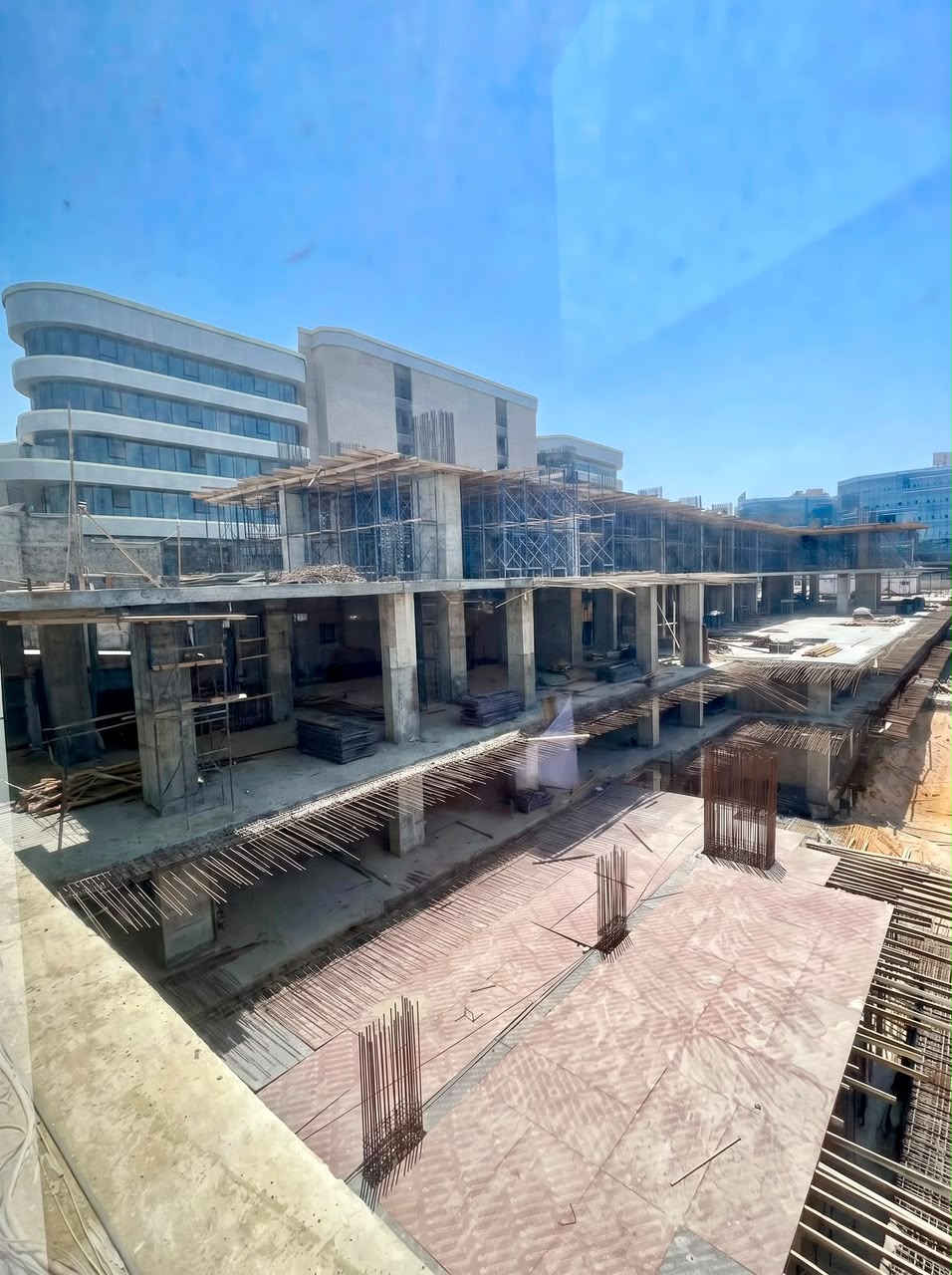

Investing in Fifth Settlement 2026 | Discover the best real estate investment opportunities, top locations, leading projects, and property types in New Cairo.
Investing in Fifth Settlement 2026 | A Practical Guide to Real Estate Opportunities
Before You Start: What Are You Really Buying?
Picture a man leaving a meeting on North 90th Street, stopping at his child’s school, then heading home. Picture a doctor opening her clinic at noon and seeing patients who can find the address without a stream of phone calls. Or a small-business owner looking for an office that employees can reach without a difficult commute and clients can locate without wasting half the appointment. Situations like these explain much of the appeal of investing in Fifth Settlement.
An investor is not simply buying a building or a number of square metres. They are buying a possible use: a home for a family, an office for a business, a clinic that patients can visit, or a shop that needs real footfall. The clearer the reason people have to come to a place, the easier it becomes to judge the right unit. A beautiful property can still be hard to lease if nobody has a real reason to use it. A simpler unit in a practical location can move much faster in the rental or resale market.
In 2026, the question should not stop at, “Will the price rise?” It should also include: Who would rent this unit? Can they get to it easily? Does its size and finish suit their needs? Can I carry the instalments and fit-out costs if leasing takes longer than expected? These questions do not make the decision harder. They keep enthusiasm from turning into an expensive commitment.
Why Does Fifth Settlement Stand Out in New Cairo?
Fifth Settlement built its importance around everyday use, not around one purpose alone. It brings together residential neighbourhoods, schools, universities, clinics, banks, restaurants and business areas within a relatively connected setting. That does not mean traffic is perfect at every hour, or that every project offers the same value. It does mean the area attracts people for several practical reasons, which matters to anyone buying property.
Its location and surrounding road network help connect it to East Cairo and newer business destinations. Yet roads alone do not create a strong district. Services give the location its meaning. A family needs a school, grocery options and medical care. An employee needs a workable commute and a suitable office. A business owner wants customers who can reach the site and are likely to return.
That is where the difference appears between a place that looks good on a map and a place where people actually spend their days. On a first visit, notice the buildings and signage. On a second visit, watch what happens in real life. Are cars using the garages? Are restaurants receiving customers? Do the offices look occupied? Can a first-time visitor understand the route? Daily details often say more about a location than a sales brochure.
Residential Demand Is Not the Same as Commercial Demand
People do not look for property for the same reasons. A homebuyer usually weighs the neighbourhood, the quietness of the street, nearby services, family size and access to work. They may even choose a smaller apartment if it offers a nearby school, a settled environment and a manageable commute. That is why the same unit sizes do not perform equally across every district.
A retailer, on the other hand, sees the property through the customer’s eyes. Do people pass the shop? Is the storefront visible? Where can the customer park? Does the surrounding mix complement the business or compete with it? An office-services provider does not need the same conditions as a small restaurant, a pharmacy or a fashion store. A clinic adds another layer of questions: lifts, waiting areas, building cleanliness and patient comfort on arrival.
Do not put apartments, offices, clinics and shops into one category. Each serves a different user, and each user judges a location differently. It sounds obvious, yet many purchase decisions still rely on one broad word: “investment.”
Buying for Yourself or Buying for Income?
When someone buys a property to live in, they naturally think like an occupant. Light, privacy, proximity to family or work, and the comfort of daily life all matter. They may accept a lower rental return because the unit serves a personal need. That is a valid decision, but it differs from buying a property intended to earn rent from day one.
With income-focused property, the next user should be at the centre of the decision. Who are they? A young employee looking for a home near work? A family that values a nearby school? A doctor searching for a finished clinic? A service company that needs a clear business address? Each answer points to a different type of property, size, fit-out budget and location.
An investor can combine the two goals. Someone may buy an apartment for future family use and lease it until then, or buy an office for their own business and retain it as a commercial asset. But that combination needs clarity. Do not assume a unit suits every use, because a property designed to suit “everyone” often speaks clearly to no one.
Why Do Investors Consider Fifth Settlement?
Real estate investment in Fifth Settlement draws on several factors at once: an established location, relatively mature services, residential demand, and administrative, commercial and medical activity. These elements do not protect every unit from risk, but they give the investor more than one path to assess. They can compare apartments, offices, clinics and shops instead of relying on a single demand source.
Universities and schools generate steady movement in certain areas. Banks and companies support demand for offices and nearby services. Residential communities support shops, clinics and other daily-use businesses. So a project should never be viewed in isolation. Ask what supports it around the site: Who lives here? Who works here? What do they need every day?
Entry price also matters. A strong project cannot automatically fix an inflated purchase price. Compare price per square metre, but do not stop there. Compare the quality of finish, payment plan, maintenance costs, leasing potential and the unit’s position inside the project. A lower price today can cost more time tomorrow.
Which Property Types Are Available?
There are several routes for investing in Fifth Settlement, and each comes with its own logic:
• Residential apartments: Suitable for long-term leasing, resale or future personal use. Their performance depends on the neighbourhood, price, size and finish.
• Commercial units: These serve businesses that need visibility and movement. The type of business determines the value of each position within a project.
• Administrative offices: Suitable for companies, consultancies and professional-service firms. Organisation and accessibility often matter more than decoration alone.
• Medical clinics: Designed for doctors and specialist practices. They need a suitable building and a location that feels easy for patients.
• Villas: Target residents who value privacy and larger spaces. They often require more capital and a closer reading of the community and its demand.
• Retail shops: Depend on actual footfall, frontage and the surrounding tenant mix. Size alone does not make them successful.
No category wins in every situation. The right category matches your budget, holding period, ability to manage the unit and the kind of user you want to attract.
Apartments: Where Should the Comparison Begin?
Apartments may seem like the most straightforward choice, but they still require real research. Start with the likely tenant or buyer. A smaller apartment may suit an individual, a couple or employees working nearby. A family apartment usually needs more bedrooms, closer services and a quieter setting. Do not buy a larger size simply because the number looks attractive if the local market is looking for something else.
Watch the nearby supply, not just the advertisements. Ask about units that have actually been rented, how long they stayed on the market and what standard of finish tenants expect. An advertisement may quote an ambitious figure, but it does not always reveal what the owner and tenant finally agreed.
Resale units often let you inspect the apartment, building, street and services before you commit. You may also find a ready or near-ready unit that saves time. Buying from a developer may give you a longer payment plan and newer options, but you take on a construction period and need to review the contract, specifications and handover dates carefully. Neither route is automatically better; compare them against your goal and liquidity needs.
Commercial Property: A Shop Does Not Survive on Signage
A shop needs customers who either pass by it or make a deliberate trip to it. Before buying a commercial unit, observe footfall yourself. Visit in the morning, then again in the evening, and during a weekend if possible. A place may feel busy for one hour and quiet for the rest of the day. A storefront may look excellent in a render but be hidden by a fence, an entrance layout or a route people do not use.
The unit’s position inside a project is a commercial decision in itself. A space near a clear entrance, a seating area or a service that draws people may work better for one business than an internal corridor unit. But the business model still decides what “better” means. A quick-service restaurant, pharmacy, convenience store and travel office do not need the same setting.
Look at the mix of activities around the unit. A complementary business can help more than a cluster of direct competitors. Learn the rules around signage, loading, deliveries and operating hours too. Good management does not show up only in a polished lobby. It also shows in how the project runs after tenants open their doors.
Administrative Offices: Companies Do Not Lease Space Alone
Businesses choose offices because the office becomes part of employees’ working day and part of the company’s image in front of clients. A small team may want an efficient space that can be divided without wasting area. A consultancy may need a meeting room and a quiet reception. A business that sees many visitors may prioritise parking and easy entry above almost everything else.
When you view an office, pay attention to details that advertisements often overlook: column placement, corridor width, natural light, ceiling height, lift capacity, restroom location and the potential size of a reception area. Ask about internet access, power, air conditioning and parking. These are not luxuries. They help determine whether the tenant feels the office supports the business or slows it down.
Do not forget the cost of turning the unit into a working office. A shell-and-core delivery may require flooring, paint, partitions, electrical work, furniture and air conditioning. Put those costs on a separate sheet before you reserve. A sound decision accounts for the unit price and everything that follows it.
Medical Clinics: Patient Comfort Adds Value
A doctor thinks about the speciality, but a patient judges the entire experience. Was the place easy to reach? Was the entrance clear? Did the lift work? Is there an orderly waiting area? This is why a clinic gains more value when the building genuinely suits medical use, rather than merely carrying a “medical” label.
Choose locations that serve residents or sit near complementary healthcare services, then examine the unit’s position closely. Floor level matters, but ease of access matters more than the floor number alone. A clinic near a clear lift and an organised corridor can serve both doctor and patient better than a similar-sized clinic in a confusing position.
A doctor can buy a clinic for personal practice, and an investor can buy one to lease. In both cases, inspect the finish, air conditioning, ventilation and internal rules, and ask what types of activity the building allows. If you plan to lease it, identify the specialities that may seek a site like this instead of relying on a broad statement such as “medical demand is strong.”
How Do You Choose an Investment-Ready Project?
Start with the developer. Review completed projects and speak with owners in older developments about handover, maintenance and post-delivery management. Nobody can offer a complete guarantee about the future, but an operational track record reveals a great deal about how a developer works.
Then study the project, not the unit alone. How does a visitor enter? Where do cars park? Which services are available? Are there separate entrances for different uses? Does the plan make pedestrian and vehicle movement clear? Then move to the unit itself. Does it have frontage? Is it close to the lifts? Can it be used efficiently? Does it face a view, a passageway or a space that adds little to the intended activity?
For under-construction projects, check construction progress and read the schedule and handover terms closely. Compare payment plans by their full cost, not by the smallest down payment. You should also know who will manage the project after handover. Cleanliness, security, lift maintenance, storefront organisation and the handling of daily issues all affect the user experience and the long-term value of the asset.
Cash or Instalments? Start with Liquidity
One buyer may prefer cash to close quickly. Another may prefer instalments to keep liquidity available for fit-out or business growth. Do not let “discount” or “low down payment” decide the issue on its own. Review the complete picture:
Option | What it can offer | The key question before choosing |
Cash payment | May provide more negotiation flexibility, depending on the sales policy | Will enough liquidity remain for emergencies, fit-out and management? |
Instalments | Spreads the commitment over time and preserves part of your cash | Can you meet every scheduled payment, not only the first instalment? |
Down payment | Defines the initial commitment and affects the immediate budget | Does the down payment reflect the real cost, or do larger payments follow later? |
Resale | Often allows you to inspect the unit and surroundings before purchase | Have you reviewed ownership, remaining instalments, fees and the full contract position? |
Write every payment into a timeline. Add maintenance, fit-out, insurance and any expected pre-operation cost. This shows whether instalments truly serve your plan or simply postpone a problem.
Mistakes That Can Change the Outcome of a Deal
The first mistake is buying the lowest-priced unit without asking why it costs less. It may occupy a weak position, face a service area or be difficult to operate. Saving a small amount at the beginning can hurt leasing and resale later.
The second mistake is ignoring the unit’s exact place within the project. A small difference in frontage, access or distance from the lifts can materially change the tenant’s experience. Request the plan, mark the unit on it, and visit the site—or have someone inspect it—if you cannot go yourself.
The third mistake is treating the contract as a formality. The contract defines what you will receive, when you will receive it, what happens if you are late and what happens if the other party is late. Read it carefully, ask for clarification on unclear terms and seek legal guidance on significant transactions.
Also, do not compare payment plans by the down-payment figure alone, and do not buy a property without a use case. Before signing, complete this sentence: “I will lease this unit to ___ because they need ___.” If you cannot complete it clearly, keep researching.
Is Investing in Fifth Settlement Right for You? A Checklist
You do not need a ready-made answer from anyone. Review these points first:
☐ I know why I am buying: personal use, leasing, resale or professional use.
☐ My budget covers more than the down payment or purchase price; it also includes fit-out, maintenance and an emergency reserve.
☐ I know the prospective tenant or user and understand their need for location, size and fit-out.
☐ I have visited the area at different times and have not relied on one visit or marketing images alone.
☐ I have compared more than one project and unit, noting differences in location, payment terms, handover and management.
☐ I have checked the developer’s record and reviewed the contract and payment schedule before reserving.
☐ I have a plan if leasing is delayed or if I need to hold the property longer than expected.
If you can answer these points clearly, your decision becomes more research-led than impulse-led. If important gaps remain, a short pause to gather information is better than a long-term purchase made with incomplete knowledge.
Invest Now: Office For Sale In New Cairo
Conclusion
Investing in Fifth Settlement offers many routes, from apartments to offices, clinics and retail shops. Yet variety does not remove the need to choose carefully. A property that serves a clear use, sits in a location the user can understand and works with your budget and payment plan has a stronger chance than one bought under advertising pressure or fear of missing out.
Start with the goal. Then study the place. Calculate the full cost. Finally, read the contract. These simple steps help you treat real estate as a practical, long-term decision rather than an attractive line in an advertisement.
To Know More Details Contact us now through 01094942833 Or whats up