Discover the pros and cons of buying a shop in Fifth Settlement, from location and foot traffic to investment potential, costs, and why a good façade alone is not enough.
Pros and Cons of Buying a Shop in Fifth Settlement: A Good Façade Does Not Settle the Decision
The Right Starting Point Is Not the Sales Desk
Many buyers walk into a project, look at a polished façade, and immediately ask for the price per square metre and the instalment plan. Those questions matter, but they do not tell the full story. A shop does not succeed only because the price feels reasonable, and it does not fail because the area seems small. Success begins when the business finds the right audience, customers can reach the door easily, and the owner can manage the cost from the first month through opening and beyond.
Before comparing projects, write down what you sell and who you sell it to. Do you need daily footfall, nearby families, parking, or delivery access? The answers may stop you from booking a unit that does not support your business idea.
Fifth Settlement attracts many retail businesses, but a well-known district name does not make every shop a sound opportunity. The location must match your business model.
Why Do Investors Look at Shops in Fifth Settlement?
People move through Fifth Settlement for different reasons. Employees travel to offices, students leave university, families shop, patients visit clinics, and business owners meet clients. This movement can give a retail business access to a broad audience. Yet population density alone cannot guarantee sales. Ask: why would customers come to me?
In its published material, Areva Developments points to 90th Street, Fifth Settlement, university surroundings, and malls as places that attract companies and services through their roads, banks, and established activity.[1] Treat that information as a starting point, not a final judgment. Visit the location, watch it at different hours, and, if possible, speak with nearby business owners. They know the rhythm of the area better than any presentation can show.
Five Advantages That Make a Shop in Fifth Settlement Worth Considering
1. Movement That Does Not Depend on One Season
Several parts of Fifth Settlement serve residents and employees at the same time. A well-positioned shop can therefore benefit from office traffic in the morning and residential traffic later in the day. This advantage can suit cafés, restaurants, pharmacies, daily services, and some retail concepts. It also suits businesses that want to build repeat relationships rather than wait for one-time visitors.
2. An Address Customers Can Remember
Customers prefer a clear address. A shop close to a recognised street or easy-to-reach project reduces the effort of visiting. A shop that takes ten minutes to locate starts from a weaker position, regardless of its design.
3. More Room to Build a Brand Presence
An organised project can support a more professional brand image through clean walkways, clear signage, and security. But a location may attract the first visit; product quality and service bring the customer back.
4. Different Sizes and Uses
Not every business needs a large shop. A specialist store, service point, or quick-coffee concept can work from a compact area when the owner plans the layout carefully. Restaurants and showrooms may need more space and a wider frontage. New Cairo’s commercial projects offer a range of sizes and uses, allowing buyers to choose a unit that fits the operation rather than spend heavily on area they will not use.
5. A Choice Between Operating and Leasing
You can run the shop yourself or buy it as a lease investment. Choose a unit that can serve more than one type of business, and study local demand before you depend on rental income.
Five Drawbacks You Should See Clearly
1. The Purchase Price Is Not the Final Cost
After the down payment and instalments, you still face finishing, signage, furniture, licences, inventory, staff, maintenance, and launch marketing. Calculate every item before booking and keep a margin for surprises.
2. Competition Punishes Repeated Ideas
Fifth Settlement attracts many brands and services, which makes repeated concepts harder to run. Visit competitors, read customer reviews, watch their pricing, and ask: what can I do better or differently?
3. The Wrong Frontage Can Silence a Shop
You may find a unit on an internal floor or side corridor at an attractive price. That unit may suit an office, appointment-based service, or destination business. It may not suit a store that needs passers-by and direct visibility. Do not force a unit to perform a job it cannot do. Choose a shop that matches the way customers will reach you.
4. A New Project May Need Patience
A new project can take time to reach healthy occupancy or establish a natural visitor flow. If you need strong sales from the first month, that delay can create serious pressure. This does not make new projects a poor choice; it means they suit buyers with a longer plan and enough working capital to cover the early stage. Ask about actual occupancy, delivery dates, and the rollout of services. Do not rely only on verbal assurances.
5. Management Can Help or Hurt the Experience
The shop is affected by what happens outside its door. If management neglects cleanliness, lighting, security, or signage rules, customers will notice the entire project. Good management, on the other hand, can strengthen the way customers see your brand. Ask about maintenance fees, what those fees cover, who manages the project, and how management deals with post-handover issues.
Do Not Buy Before You Test the Route Like a Customer
Set aside time for a site visit. Start from the road customers will use, then try to reach the shop without asking for directions. Check signs, entrances, parking, and lifts. Repeat the visit at the hours that matter to your business; a breakfast concept needs a morning visit, while a restaurant needs an evening one.
Then inspect the unit itself. Do not look only at the headline area. Check the frontage, depth, columns, and service points. Ask about net usable space and the possibility of installing ventilation, plumbing, or electrical equipment. Every metre that does not serve the business is a metre you paid for without receiving value.
Keep a Simple Notes File Before You Sign
After visiting several projects, make a short note for each shop: visit time, visitor type, access, nearest competitor, and extra costs. Also check storage, signage, stock delivery, and services. If you plan a new concept, ask people who live or work nearby what they need — and listen to objections as closely as supportive answers.
When Should You Buy, and When Should You Rent?
Buying may suit an established business that knows its audience and has a long-term plan for the location. It may also suit an investor who finds a flexible unit in a clear location and can handle the time needed to find the right tenant. Renting gives a new business owner more room to test the market with a lower initial commitment, then change direction if the idea does not work.
Your Situation | What May Suit You | The Question to Answer |
You run an established business | Buying may support a long-term plan | Does the location serve your current customers and expected growth? |
You are testing a new idea | Renting may provide more flexibility | Have you proven that the idea attracts customers? |
You invest for leasing | A flexible unit may suit you | Who are the likely tenants in this area? |
You rely heavily on operating cash | Avoid a difficult commitment | Will you still have cash for finishing and operation after booking? |
Do Not Choose Area on Paper Alone
A 35-square-metre unit may look limited in an advertisement, yet it can work very well when it has a practical layout and serves a focused business. A perfume shop, quick-coffee point, or accessories store does not need the area required by a restaurant or furniture showroom. Ask how many customers will stand inside at the same time, where stock will go, where the cashier will sit, and how much space you need for display.
Draw a simple layout before booking, even if you use a pen and paper. You will quickly see whether the unit supports your plan or forces compromises you cannot accept. This step protects you from buying a large shop with no clear use, and from buying a small shop that cannot contain your business.
Questions That Separate a Good Offer from a Good Decision
Before you pay a reservation amount, ask for answers that you can keep. What exactly will the developer deliver? Does the quoted area represent gross space or the area you can actually use? When will the project hand over the unit? Who will manage common areas after delivery, and what maintenance costs should you expect?
You should also connect these answers to your business plan. A shop can be attractive on paper but still create trouble if its service points sit in the wrong place, if the frontage limits your signage, or if deliveries disrupt customer access. Make a short list of non-negotiables and use it during every visit. If a unit misses one of them, do not try to persuade yourself that the problem will disappear later.
A buyer who asks clear questions early does not slow down the process. They protect their capital and make the final choice easier to defend.
Why Should You Review Glare Mall New Cairo?
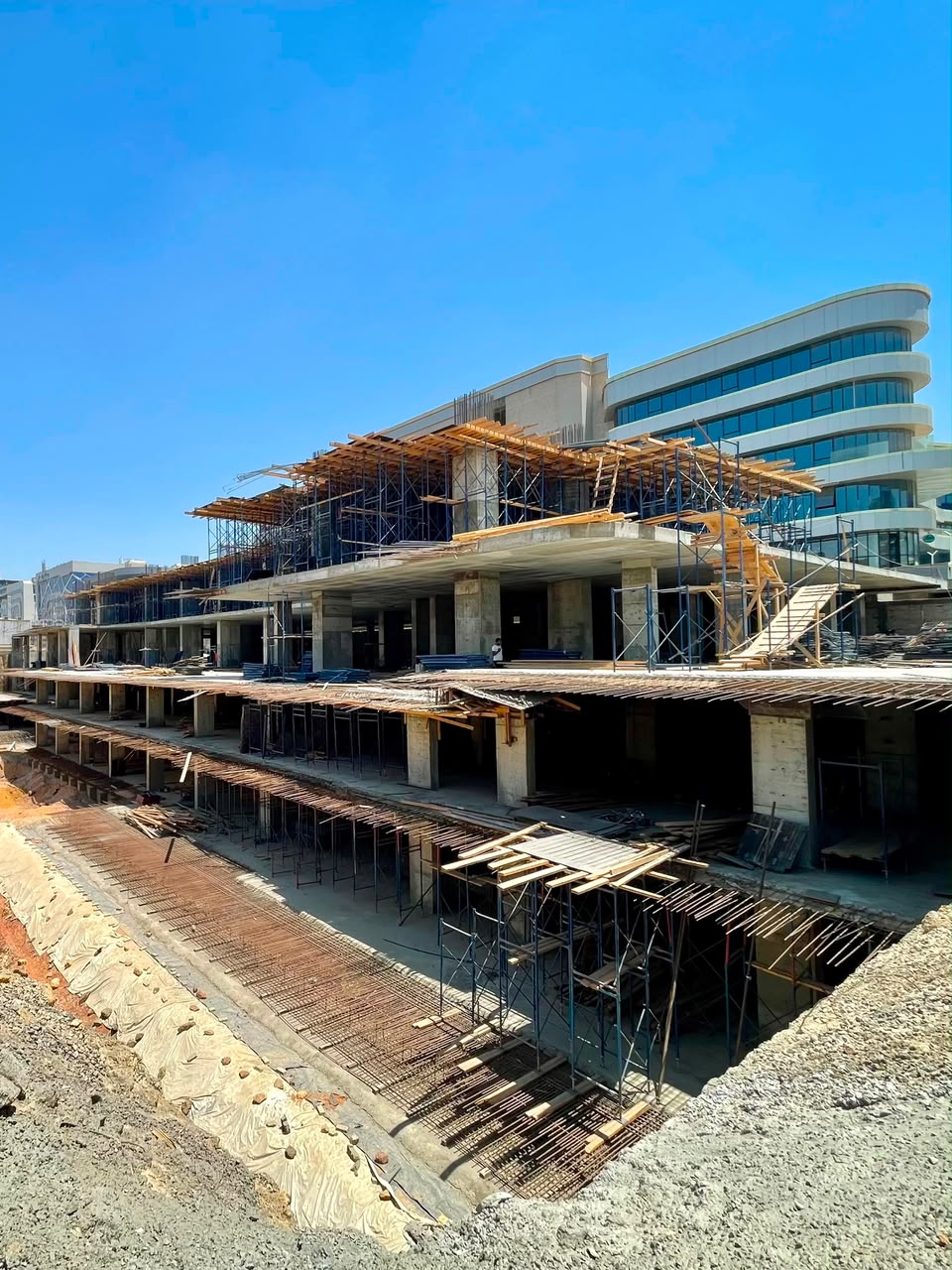
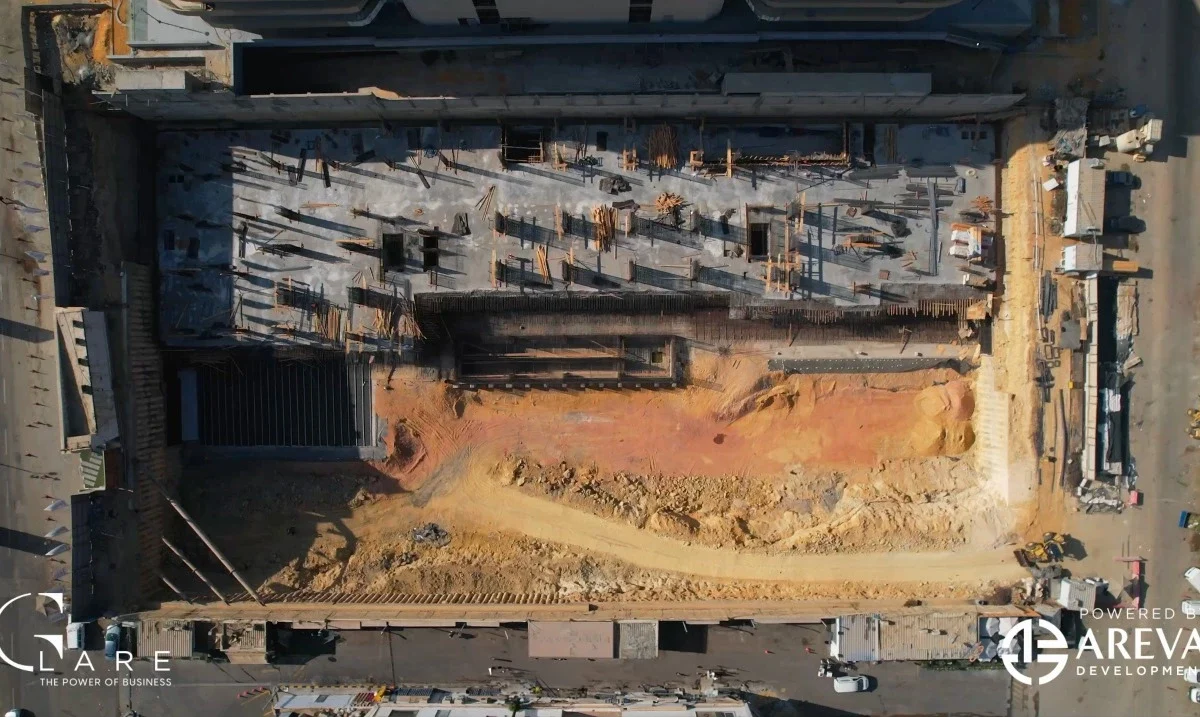
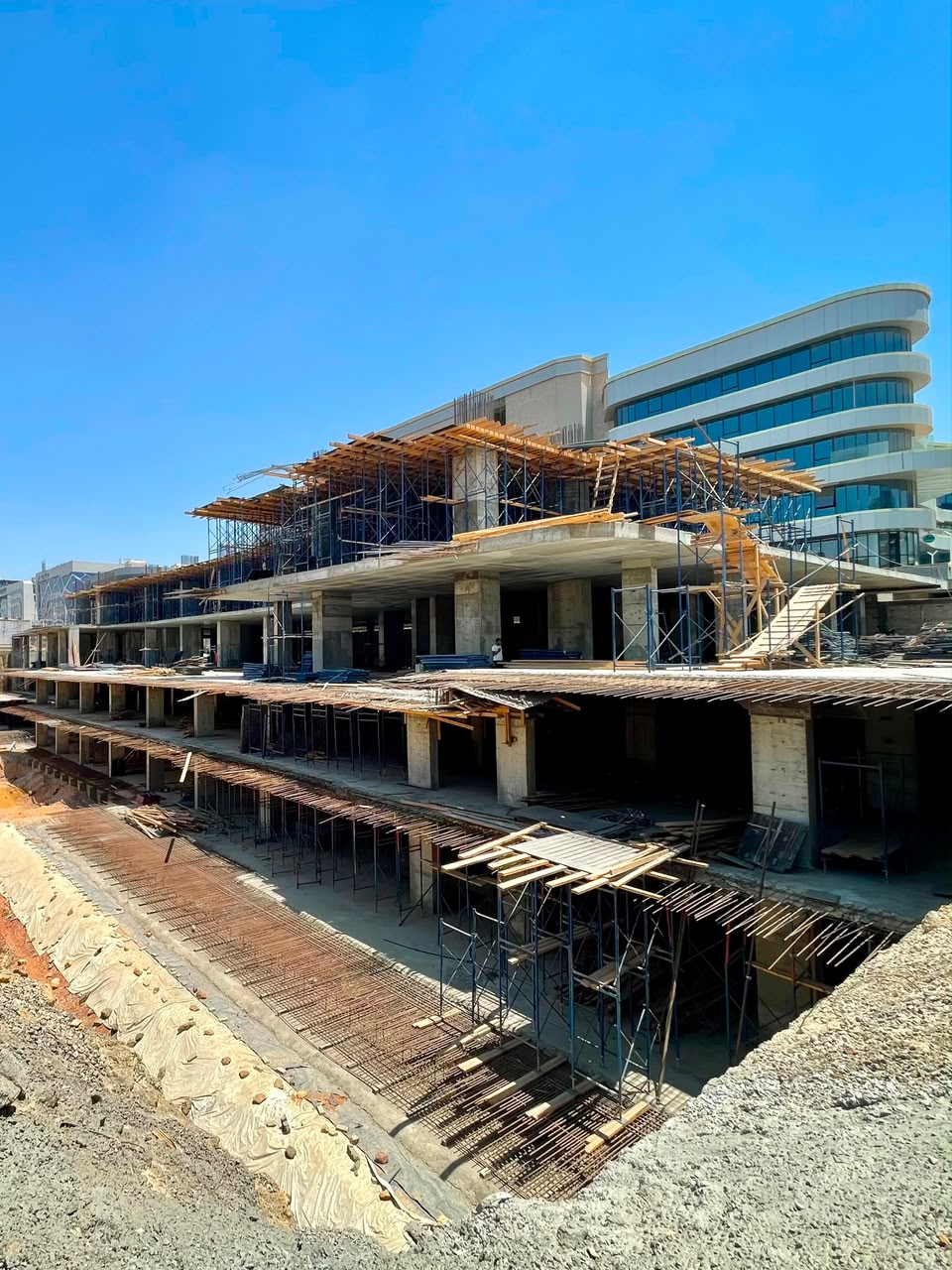
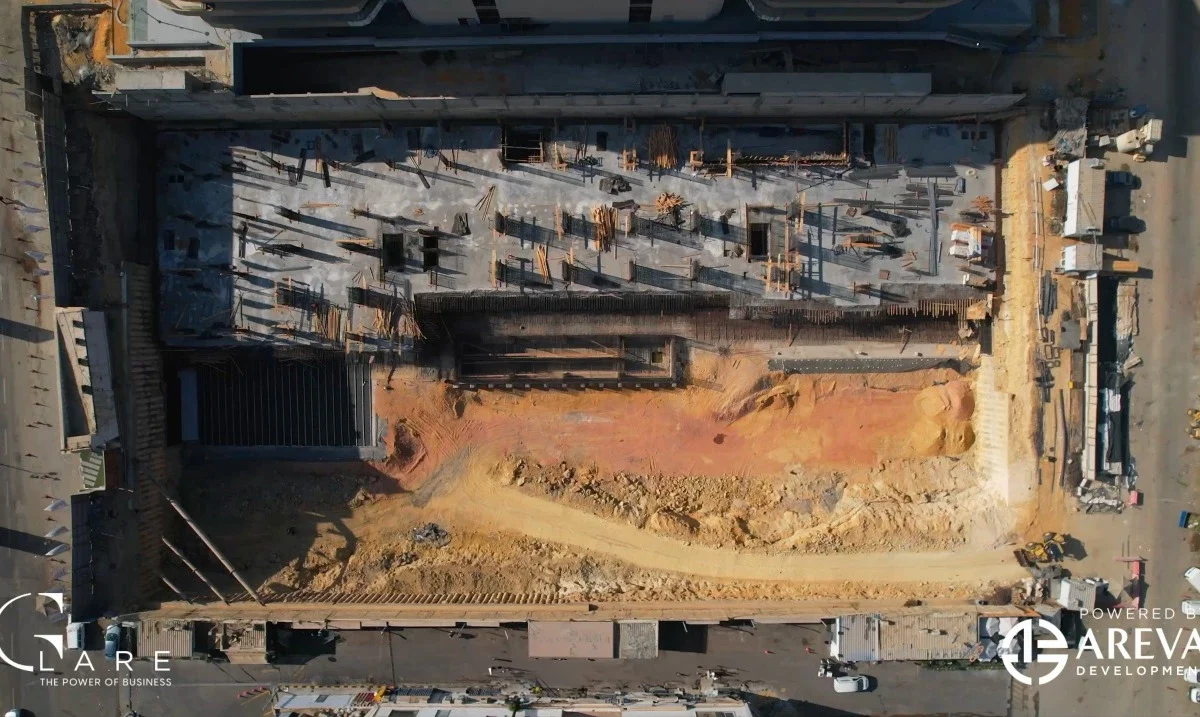
If you are looking for a shop for sale in New Cairo, add Glare Mall New Cairo to the projects you compare. The developer’s official page places it on North 90th Street, Al Wasla Street, and Street 70, close to the medical sector, banking district, hospitals, companies, and the monorail station.[1]
Published marketing material states that Glare’s ground-floor retail units start from 35 square metres.[2] This can suit a well-organised specialist store, service point, coffee concept, or beauty activity if the unit’s shape, frontage, and audience fit the business. Request the latest plan and confirm net usable space and current unit availability.
Glare Mall deserves serious consideration if you want a shop close to business and service activity in Fifth Settlement and can fund the unit, finishing, and operation without exhausting your capital. Visit it and compare it with similar alternatives before deciding.
Conclusion
Buying a shop in Fifth Settlement offers real advantages: a varied audience, a broad service base, proximity to business and residential communities, and options to operate or lease the property. It also brings clear challenges, including higher entry costs, competition, and the need for patient location analysis.
A good decision does not begin with the question, “Is this shop good?” It begins with another question: “Does this shop serve this business, in this location, within this budget?” When you answer that honestly, you can sort through retail opportunities with greater confidence. If a 35-square-metre unit in Glare Mall fits your idea and financial capacity, keep it on your serious shortlist after reviewing the project’s final details.
To Know More Details Contact us now through 01094942833 Or whats up